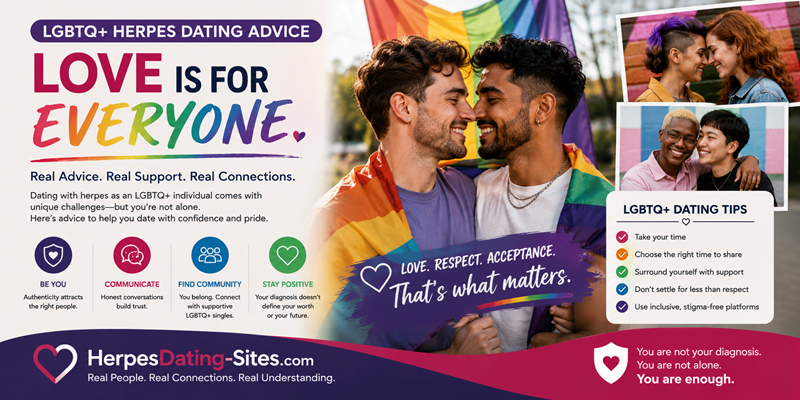
Dating can feel exciting, confusing, and sometimes overwhelming. For many people in the LGBTQ+ Community, adding a herpes diagnosis into the mix can make relationships seem even more complicated. Questions about disclosure, acceptance, intimacy, and rejection often become part of everyday life. Yet, despite herpes being incredibly common worldwide, honest conversations about dating with HSV remain rare.
The truth is that herpes does not define your worth, your identity, or your ability to build meaningful relationships. Thousands of LGBTQ+ individuals are finding supportive partners, building lasting relationships, and living fulfilling lives after diagnosis.
If you’re looking for realistic Herpes Dating Advice, this guide shares practical tips, emotional support, and evidence-based information to help you date confidently while embracing your authentic self.
Why This Conversation Matters
According to the U.S. Centers for Disease Control and Prevention (CDC) and the World Health Organization (WHO), herpes simplex virus (HSV-1 and HSV-2) affects billions of people globally. Many individuals never experience symptoms, while others may have occasional outbreaks.
Within LGBTQ+ communities, conversations about sexual health have become more open over the years, yet herpes stigma continues to exist. Fear of judgment often causes people to isolate themselves unnecessarily.
The reality is much more hopeful. Many people are actively looking for honest, compassionate relationships where health status is only one small part of getting to know someone. This is why LGBTQ Herpes Dating is becoming a more open and supportive conversation than ever before.
Your Diagnosis Doesn’t Change Who You Are
Receiving a herpes diagnosis can trigger anxiety, shame, or fear about future relationships. Those emotions are understandable, but they don’t reflect reality.
A diagnosis doesn’t erase your personality, kindness, humor, ambition, or ability to love. Those qualities are what truly build healthy relationships.
Many members of the LGBTQ+ community already understand the importance of empathy, acceptance, and communication. Those same qualities often make relationships stronger after honest conversations about sexual health.
Learning to accept yourself is the first step toward building HSV Positive Love that is based on trust instead of fear.
Dating Starts With Confidence
One of the biggest misconceptions is believing nobody will date someone with herpes.
This simply isn’t true.
Confidence attracts people far more than perfection ever could.
Instead of focusing on your diagnosis, focus on becoming the best version of yourself. Continue enjoying hobbies, meeting new people, improving your mental health, and participating in LGBTQ+ events or social groups.
People are drawn to authenticity.
Your confidence tells others that herpes is only one chapter of your story—not the entire book.
That mindset becomes the foundation of your LGBTQ Love Journey.
Handling Rejection Without Losing Confidence
Not every relationship works out.
Sometimes people decline because of herpes.
Sometimes they decline because of compatibility.
Sometimes they’re simply not ready for a relationship.
Rejection happens to everyone.
A person’s decision is not proof that you’re unlovable.
Many individuals who initially hesitate later educate themselves and realize herpes isn’t the life-changing obstacle they imagined.
The right partner will appreciate your honesty.
Remember that every respectful disclosure is an act of courage, regardless of the outcome.
Protecting Your Partner
Managing herpes responsibly shows maturity and care.
Healthcare providers commonly recommend several strategies that may reduce the likelihood of transmission:
- Taking prescribed antiviral medication when appropriate.
- Avoiding sexual contact during active outbreaks.
- Using condoms, dental dams, or other barrier methods consistently.
- Maintaining open communication about symptoms.
- Following your healthcare provider’s advice.
These practical steps contribute to Safe LGBTQ Dating while allowing couples to enjoy healthy intimacy.
Emotional Support Makes a Difference
Living with herpes doesn’t have to be a lonely experience.
Many LGBTQ+ individuals benefit from connecting with people who understand their experiences firsthand.
Support groups, online forums, LGBTQ+ organizations, and herpes education communities encourage, practical advice, and reassurance that life continues after diagnosis.
Strong LGBTQ HSV Support networks often reduce anxiety, improve self-esteem, and help individuals navigate relationships with greater confidence.
Talking openly with trusted friends, counselors, or healthcare professionals can also make a significant difference.
Building Relationships Beyond HSV
Healthy relationships are built on much more than physical intimacy.
Ask yourself:
What kind of partner do you want to become?
What values matter most?
How do you communicate during difficult conversations?
How do you support your partner emotionally?
These questions matter far more than herpes.
Many couples say that early health conversations actually strengthened their relationship because they learned to communicate honestly from the beginning.
Love grows through vulnerability.
Community Sources and Trusted Health Resources
Reliable information helps replace fear with facts. Consider learning from respected organizations such as:
- World Health Organization (WHO)
- U.S. Centers for Disease Control and Prevention (CDC)
- American Sexual Health Association (ASHA)
- Planned Parenthood
- Local LGBTQ+ community centers
- Licensed sexual health clinics
- Certified healthcare providers specializing in sexual health
These organizations provide evidence-based guidance about herpes, relationships, disclosure, and safer sex practices.
Participating in an Inclusive Dating Community can also help you connect with others who understand your experiences and encourage healthy, stigma-free conversations.
Frequently Asked Questions
Is herpes common in the LGBTQ+ community?
Yes. Herpes affects people of every gender identity and sexual orientation. It is a common viral infection worldwide.
Can I have a healthy relationship if I have herpes?
Absolutely. Millions of people living with herpes enjoy healthy, loving, long-term relationships built on trust and communication.
When should I disclose my herpes status?
Most healthcare professionals recommend discussing it before sexual activity, after you’ve developed some trust but before intimacy.
Can transmission risk be reduced?
Yes. Antiviral medication, avoiding intimacy during outbreaks, barrier protection, and honest communication can significantly reduce the risk of transmission. Discuss the best approach with your healthcare provider.
Will everyone reject me?
No. While some people may decide not to continue dating, many appreciate honesty and are willing to learn the facts before making decisions.
Where can I find support?
LGBTQ+ organizations, sexual health clinics, healthcare professionals, online herpes support communities, and mental health counselors all provide valuable resources.
Final Thoughts
Dating with herpes may feel intimidating at first, but it does not close the door to love. Every meaningful relationship begins with honesty, respect, and mutual understanding—not perfection. Whether you’re just beginning your LGBTQ Love Journey, searching for LGBTQ HSV Support, or looking for practical Herpes Dating Advice, remember that your diagnosis is only one small part of your life. You deserve acceptance, healthy relationships, and genuine happiness.
By educating yourself, communicating openly, and surrounding yourself with supportive people, you can create lasting Positive LGBTQ Relationships built on trust, compassion, and confidence. Your future is not limited by herpes—it is shaped by the choices you make, the love you give, and the courage you show every day.
